The MLS has rules. Some are obvious, some are quirky, and a few can derail an otherwise excellent set of images. Images that perform well on the MLS also need to carry the weight on social platforms, property websites, email campaigns, and printed brochures. That dual mandate is where the craft lives. Over years of producing Luminis Media real estate photography, the consistent pattern is clear: technical discipline for MLS first, creative range for everything after. One without the other leaves money on the table.
Why MLS optimization matters
Agents feel it in the first 48 hours. Strong hero images pull more saves, produce more showing requests, and buy time in a shifting market. Weak images sink quietly, even when the home is a gem. MLS sites often compress aggressively, strip metadata, and display on grids that punish dark frames or awkward crops. The practical goal is not to make a portfolio piece, it is to make a property easy to understand at a glance. With Luminis Media real estate photos, we design the gallery to lead with space, flow, and light, knowing that most buyers skim on mobile first, then circle back on desktop.
MLS rules vary by market, with limits on image count, ban lists for branding, and strict caps on file size. We build delivery profiles per MLS so an agent does not have to wrestle with resizing or accidental noncompliance. It is not glamorous, but it is the difference between a listing that goes live smoothly and one that gets flagged.
What MLS actually requires, and how we meet it
You rarely see rules about exposure triangles or color profiles. You see constraints. File sizes often need to sit in the 1 to 5 MB range or under, dimensions must match landscape-first displays, and any appearance of logos or agent faces may trigger a takedown. Certain MLSs forbid sky replacements that introduce unrealistic elements like sunsets that never happened. Some markets treat virtual staging as permissible if labeled, others reject it outright within the primary photo set. We confirm the rulebook before every shoot, particularly when a brokerage expands into a new association.
On the technical side, our default is landscape orientation for hero images at a 3:2 or 4:3 aspect ratio, verticals reserved for tall features posted to other channels. We deliver two sets when helpful: MLS ready JPGs at the exact pixel ceiling your MLS expects, plus a high resolution archive that sings on print and brand collateral. That way, luminis.media real estate photography stays consistent whether it is seen on a phone’s listing feed or a full bleed gatefold.
The craft inside the rooms
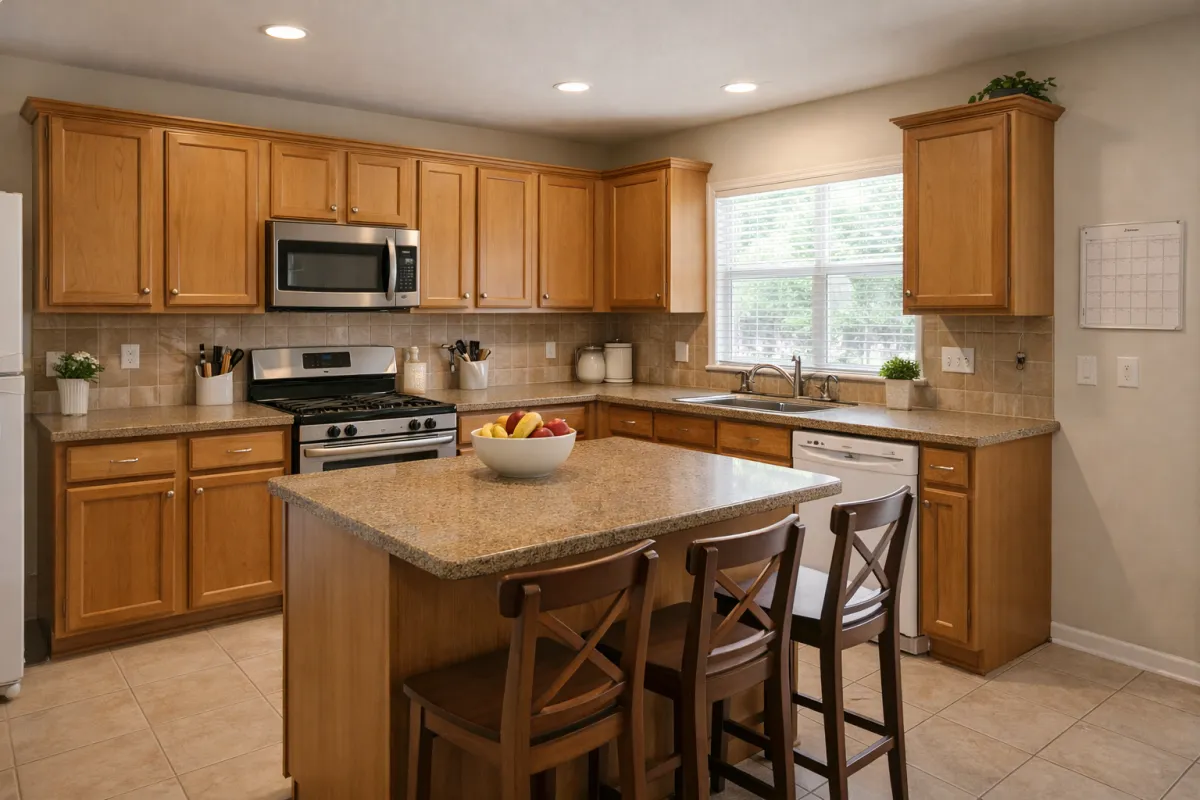
The photos that convert are rarely the most dramatic. They are the ones that communicate layout and scale without confusion. For kitchens, our baseline is a clean wide frame that reveals the triangle of sink, stove, and fridge, followed by a medium shot of the island, then detail vignettes of fixtures and textures if the MLS count allows. For living rooms, we prioritize sightlines and connection to outdoor space. Dining areas work best when a window is included, just enough to sell light without pulling the exposure to the frame edge.
Verticals must stand straight, especially near cabinet runs and door frames. A one degree lean will survive Instagram, but on an MLS grid it reads as sloppy construction. We correct perspective in post, but we start even in-camera to protect edges and keep microcontrast from smearing with aggressive lens corrections. Distortion control at capture time reduces the need for heavy-handed editing later, which means cleaner files after the MLS compresses them.
Light and color management that survive compression
MLS platforms are not kind to deep shadows or delicate color transitions. We shoot with predictable, soft interior light, and we manage mixed color temperatures so paints do not skew yellow or magenta. On cloudy days, windows are our friend. On harsh days, we time the front elevation before 10 a.m. Or after 4 p.m., depending on orientation. Inside, we often use a flambient method, blending ambient frames with tasteful flash pops to anchor whites and keep wood tones honest. When appropriate, we pull a separate exposure for the windows, then layer that in with a restrained hand. The test is simple: if the view looks better than what a buyer will see standing there, it fails. If it looks exactly like a good day in that room, it passes.
Color profiles are locked to sRGB for MLS delivery since many platforms assume it. We build a neutral baseline and avoid crushy blacks that look great on a calibrated monitor and terrible on a mobile browser. White balance lives where it belongs, not on the blue side of fashionable.
A compact MLS checklist agents can actually use
- Landscape aspect ratio for primary frames, straight verticals, and corrected perspective. sRGB color, JPG format, file sizes pre-optimized to your MLS ceiling. Zero branding in-frame and no agent portraits in photos. Accurate representation of exterior sky and views, with virtual staging labeled where permitted. A logical sequence: curb appeal hero, entry, main living spaces, kitchen, primary suite, baths, secondary beds, office, laundry, garage if relevant, outdoor living, and a closing exterior.
The file delivery that saves time on launch day
Good photos, delivered wrong, cost an agent an afternoon. We name files in a sequence that matches the listing’s story, not the order they were shot. Hero images first, then logical room groups. Folder structure is simple: MLS, Social, and Print. Captions are embedded when your MLS supports them, otherwise we include a caption sheet for copy-paste. For teams with CRMs, we provide direct download links that expire after a reasonable window, along with a permanent archive in your luminis.media client portal.
We also maintain a profile for each agent’s preferences. Some want exteriors front-loaded, others prefer kitchen-led real estate photography galleries. When you hire a Luminis Media real estate photographer more than once, your next shoot lands on your desk already familiar in style and order.
Beyond MLS: where the home truly differentiates
The MLS is a discovery engine. Branding and persuasion often happen elsewhere. Any listing above entry level benefits from a parallel content set made for social feeds and micro-sites. Square crops of statement spaces perform better on Instagram carousels. Vertical frames of the stairwell or fireplace make honest Reels. A soft pan video of the primary bath converts more viewers to site clicks than a wide room-only slideshow. The goal is not to duplicate the MLS gallery, it is to reinterpret the property for the behavior on each platform.
For property websites, we favor larger hero frames and a tighter selection of best rooms rather than a dump of every angle. On paid channels, we build thumb-stopping cover images with clean negative space for copy, while keeping the bones of the image true to the house.
A lean menu of content packages that travel beyond MLS
- Social set: vertical and square crops, 10 to 15 frames tailored to Instagram and Facebook. Short-form motion: 20 to 45 second highlight cut built from video clips, licensed royalty-free music. Property website kit: wide banners and curated selects, sized for fast load on common templates. Print ready: large files for flyers, postcards, and magazine ads, with safe crops for trim. Agent brand accents: on-location headshot or team photo in neutral corners of the house, when permitted.
Real estate videography that respects attention spans
Video is not a tour if it meanders. It is a set of arguments delivered in motion. Luminis Media real estate videography builds scenes around transitions that make sense, door to door, not just pan to pan. We work with three anchors. First, a clean exterior open, often a five to seven second move. Second, a pacey middle that sells scale with one or two gimbaled passes and controlled tripod frames. Third, a close that leaves the viewer with light and outdoor living. On homes with views, we push aerials only when they prove something the ground cannot. We cap total runtime when the house does not demand more.
Agents sometimes ask for longer cuts thinking buyers want a documentary. The play rate metrics on landing pages do not support that, especially on mobile. Where a longer format makes sense is new development, where floor plan logic needs time. For standard resales, the strongest real estate videography Luminis Media can deliver tends to live under two minutes, with a 30 second derivative for ads.
Luxury listings need a wider toolkit, not just bigger files
Luxury is not just size. It is materials, provenance, and privacy. Luminis Media luxury real estate photography leans into restraint. The macro wood grain on a custom door, the sightline from a library to a garden, the soft reflection in stone, these are the notes that carry. We build alternate edits with more negative space for high-end media buys. License language gets sharper, since international publications and design blogs often ask for usage beyond typical listing marketing. If a home has artwork on display, we plan around permissions or neutralize it tastefully in post.
Twilight exterior sessions are useful, but we do not push them on every address. They make sense with landscape lighting, glass-heavy elevations, and clean sky. If the site is surrounded by sodium streetlights, a daytime elevation with sculpted shadows will often be more honest and effective. We keep neighbors’ license plates, faces, and stray brand marks out of frame wherever possible. A luxury audience notices.
Occupied homes, staging, and timelines that respect sellers’ lives
A strong day begins with a home that is ready. Luminis Media listing photography benefits when staging is more than decorative. Good stagers stage for imagery, not just for walk-throughs. They remove lamp cords, edit shelf count, and simplify nightstands so there is one story per frame. We coordinate with stagers and cleaners on arrival windows, and we start with the rooms most sensitive to daylight so the rest of the day can absorb delays. In occupied homes, we protect privacy with a routine: family photos turned around, calendars removed, smart speakers unplugged. Pets get a plan too. A few minutes outside while we work the entry and living room keeps tails and whiskers out of the frames.
Weather shifts are part of the job. Overcast is not a shoot killer. It is often perfect for interiors. If rain pushes us inside, we bank the majority of the house and return for exteriors at the first reasonable light. That is built into our scheduling. Clients do not pay twice because the sky changed.
Editing discipline, not heavy-handed effects
There is a fine line between helpful enhancement and false advertising. We remove small scuffs on walls, touch out temporary signage, and clean the odd garden hose. We do not erase utility poles or move trees. With sky replacements, we keep to plausible daylight and consistent direction of light. Window pulls stay true to exposure. Pool water goes clean, not tropical unless the house is tropical. Finishes remain the finishes. If a room reads beige, we do not grade it to gray trendiness.
The reason is simple. When a buyer walks in and the home does not match the photos, trust slides. That hurts offers and sets the wrong tone for inspections. The long game is better.
Floor plans, measurements, and the story that unifies the gallery
Photos show moments. Floor plans show truth. When we add measured plans to a listing, phone calls become more qualified. Buyers understand whether a king bed fits before they schedule a tour. For tighter footprints, floor plans are a reality check that prevents churn. We can produce simple 2D plans in the same appointment as the photos. On larger or historical homes, we bring in a measured service that delivers to scale. The best performance we have seen is when the gallery, plan, and copy all reinforce the same flow: entry, public spaces, private wing, outdoor living.
Accessibility and inclusive presentation
Not all buyers interpret space the same way. When requested, we add alt text to property website images and craft captions that do more than restate the obvious. Instead of “Living room,” a caption might read “Living room, 16 by 18 feet, western light, open to kitchen.” These details support decision-making for remote buyers and anyone browsing quickly. It also helps teams comply with broader accessibility efforts, an area many brokerages now prioritize.
Consistency at the brokerage level
model home photography spring txIf you manage a team, a consistent visual standard reduces friction. A Luminis Media real estate photographer can embed your brand’s visual language across addresses without adding logos to frames. That language might be an early hero kitchen shot, restrained contrast, cool whites in bathrooms, or a rule that exterior brick always looks honest. Over the course of a season, that consistency compounds into clearer ads and recognizable listings.
For multi-state brokerages, we map MLS variations into a single internal playbook so your coordinators do not chase rules on launch day. Cadence matters too. For weekly listing drops, we prioritize shoot days that feed your marketing calendar rhythm, with rush edits where needed.
Licensing that fits real estate use
We license images for listing marketing, syndication to major portals, and your own channels. Third party usage, like builders, designers, or product manufacturers, requires separate permission. That is not gatekeeping, it is risk management. We keep the path simple. When a partner asks to use an image, we route it through a quick add-on license so everyone is covered. This protects you from awkward calls months later when a vendor turns a listing image into an ad.
Common pitfalls and how we avoid them
Kitchen undercabinet lights can blow color balance. We test both on and off, then decide on set. Mirrors steal time and show gear if you are not careful. The fix is simple composition choices and a microfiber in the pocket for the quick wipe that saves retouching. Ceiling fans create tiered blur on slower shutters. We stop the blades or match shutter speed to freeze edges. Exterior hose bibs and sprinkler heads can become bright distractions against stucco. A two-minute tidy saves 15 minutes in post. You can feel the pattern: small habits that stack into a cleaner set, with less editing and fewer MLS hiccups.
Virtual staging is helpful, but only when it understands weight and scale. Floaty furniture hurts trust. We keep gravity honest and avoid reflections that make the composite obvious. Where the MLS requires a label, we provide alternate unstaged frames to run as primaries.
A brief note on metrics and ROI without hype
We are careful with numbers because markets move. That said, across hundreds of listings, agents report that strong first frames increase inquiries and shorten days on market, particularly when priced well. The gains are uneven. A standout condo in a dense market will see a more obvious lift than an acreage property where location is the primary driver. What you can reasonably expect is better engagement in the first week and a more confident showing cadence. And when the listing does not move immediately, premium images maintain their value for relaunches and price improvements without feeling stale.
Luminis Media in practice: two snapshots
A builder’s spec home sat for three weeks with dim, single-exposure photos. We reshot with flambient technique, corrected verticals, and introduced a tighter MLS sequence that led with the kitchen and living connection to a small but valuable deck. We added a 30 second vertical video cut that emphasized morning light. Showings increased the same weekend and the first offer arrived within ten days. No fireworks, just clarity and timing.
A historic bungalow had gorgeous millwork and tight bedrooms. Wide shots made the bedrooms look cramped. We pivoted to a selective approach, two clean wide angles per room and a handful of details on hardware and joinery. The MLS set looked modest, the property website carried the romance. The buyer arrived with realistic expectations and ended up appreciating the craft in person rather than feeling misled.
How to work together smoothly
Scheduling is first. We recommend one to three days between shoot and MLS launch for standard listings, longer when video, twilight, or floor plans are included. Share any quirks before the day, like a tricky lock or a room without bulbs. Send your MLS’s specific media limits if you have them. We will confirm anyway, but it helps us shape the sequence. If you want both Luminis Media property photography and a short video, we plan the order so fresh staging does not get disturbed by crew movement.
On site, we walk the path the buyer will take. Entry, main spaces, back through private rooms. That walk becomes our camera path and later, the gallery’s map. You will receive a draft gallery for quick review, then finals, sized for MLS and for everything else you need. If a photo does not sit right, we replace it. The goal is your confidence on launch.
Where keywords meet real life
Search matters, so we will say it plainly in case this is where you landed. If you are looking for Luminis Media real estate photography or a Luminis Media real estate photographer who delivers files that slot straight into your MLS and also carry weight across social and print, this is the workflow we practice. Our team handles listing photography luminis.media, property photography luminis.media, and Luminis Media real estate videography with the same discipline. For high-value addresses, our approach to luxury real estate photography luminis.media emphasizes restraint and truthful elegance rather than tricks. The result is a consistent visual standard that helps agents sell and buyers trust what they are seeing.
Final thought, no drama needed
The best real estate images are quiet. They do not shout. They invite. They show scale, light, and the line from room to room in a way that makes sense. They meet MLS constraints without compromise and then expand into formats that carry a campaign. That is the heartbeat of real estate photography Luminis Media has built: reliable on the boring parts, thoughtful on the creative parts, and always focused on the buyer who is making a decision quickly, on a small screen, between three other tabs.
If that is the level of care you want, luminis.media is set up for it. We bring our gear, our checklists, and our judgment, then we get out of the way so the home can speak.